
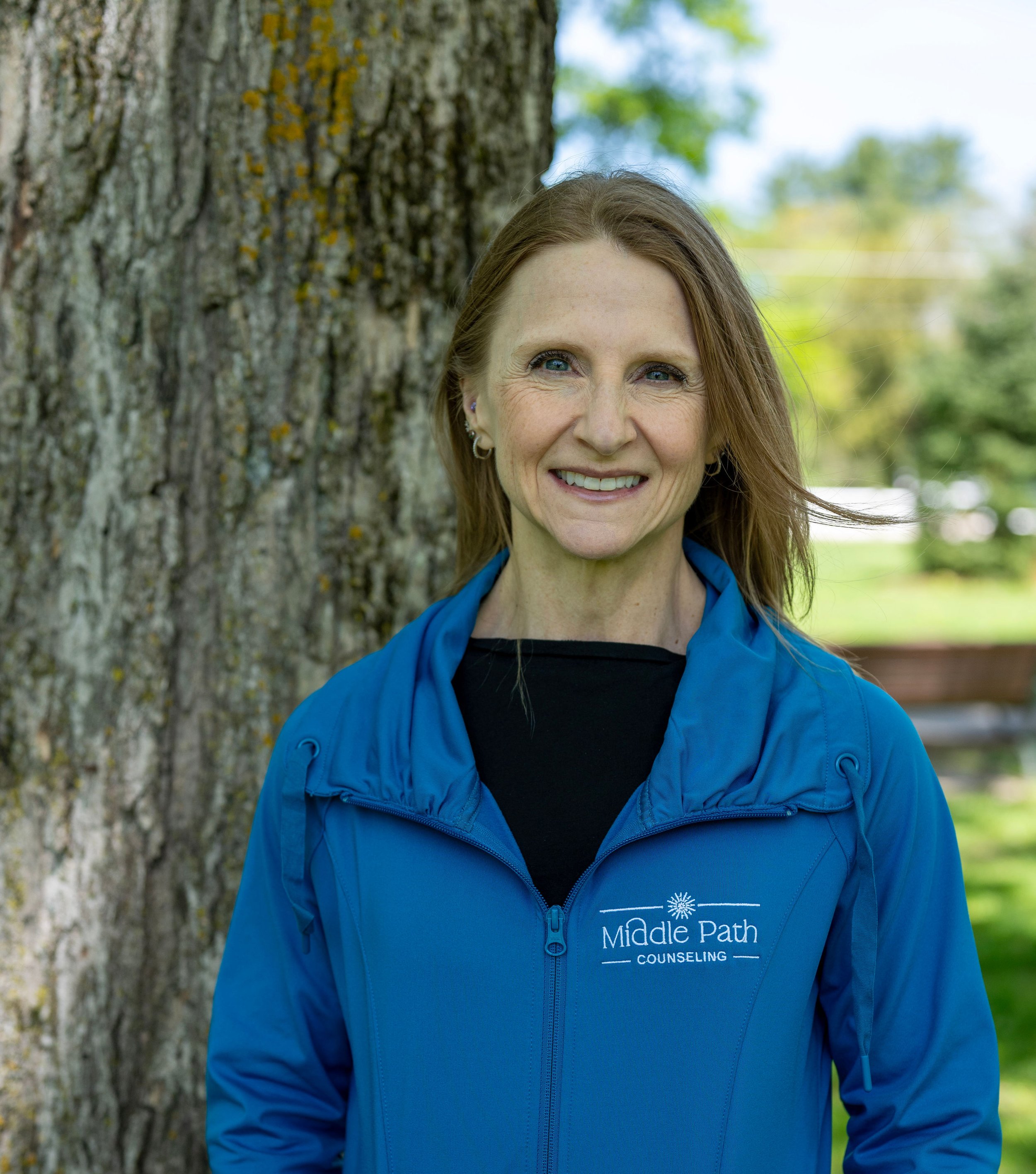
What drew you to becoming a therapist, and what led you to specialize in the areas you work with today?
My parents and my grandfather were all social workers, so I guess being a therapist is in my genes. I know I had a choice and probably would have been good at other careers too, but it never really occurred to me that I'd do anything else. People have always described me as unassuming and pretty neutral about a lot of things. Not much rattles me. I think those personality traits have kept me in the field as being a therapist who's genuinely curious and patient enough to help my clients create their own journey and develop into who they want to be without so much pressure or judgment to morph into what they think someone expects them to be. I became a couples therapist over time once it became clear to me how much work in a relationship can be done right before my eyes rather than talking about it and leaving the rest up to them to try on their own before they're ready or able to do so. I was pleasantly surprised at how willing couples are to be held accountable so they can be better partners, and I get to help people do that. What could be better than that to say that's my job?
How would you describe your therapeutic approach or style, and what can a new client expect from a session with you?
When new clients schedule a first appointment with me, they can expect to meet a real person, down to earth, funny, and ready to get to work. I'm genuinely interested in who my clients are, and what they value. I'm pretty good at zeroing in on how people are getting in their own way of feeling better, and I'm not afraid to say so but in a compassionate and hopeful way to help people believe that change is possible. My main value as a therapist is to help people feel proud of themselves, not shameful about their flaws. When people accept themselves, that's what gets them to change. I'll hold that space of acceptance as long as it takes until you accept yourself, then the magic really begins.
What's something you wish more people understood about therapy or mental health?
I'd love it if people took their mental health as seriously as their physical health. Most people see their primary care doctors once a year. Ideally I think everyone should see a mental health provider once a year. Prevention with mental health matters just as much as physical health. Not to mention, a lot of physical issues are related to mental health and vice versa. Life gets hard sometimes and I think we should treat the whole person from all angles from a prevention and maintenance standpoint, not just a "fix it after it's broken" approach.
Outside of your work, what do you enjoy doing, or what are you passionate about?
Outside of work, I like my quiet peaceful life with my husband and my pets. I love eating good food and watching comedy. I'm also a yoga teacher and professional bodybuilder. I love life for all of its ups and downs, and I don't take anything for granted.
What's a piece of advice or a mindset that's stuck with you, professionally or personally, that you find yourself coming back to?
My grandmother used to say "If you should've, you would've." I firmly believe that people do the best they can at the time with the information they have. Focusing too much on what-ifs or what should have been doesn't make sense to me. Confidence doesn't have to equal arrogance, and feeling guilty for a mistake you've made doesn't have to turn into shame for who you are. We're all doing the best we can at the time, and once we can accept that, and take unconditional accountability for our failures and our successes, we have the courage to grow and do even better next time.
